Finding a reliable HVAC contractor in Tucson AZ matters more than most homeowners realize. Our summers routinely push central air systems harder than many manufacturers design for, and the wrong contractor can leave you paying for needless repairs, inefficient equipment, or a system that never quite cools right. I’ve worked on installation crews and managed service schedules here, and the patterns repeat: homeowners choose on price, schedules slip, and the same problem recurs months later. This guide walks through practical, local-savvy decisions so you can hire with confidence.
Why the choice matters Tucson’s climate amplifies small mistakes. An oversized system will short-cycle and drive up humidity and electric bills. A poorly installed system loses efficiency through duct leaks and bad refrigerant charge. A contractor who skips proper permits or inspections can leave you with safety issues and diminished resale value. On the flip side, the right HVAC company in Tucson AZ delivers steady comfort, lower operating costs, and predictable, documented service that protects your investment.
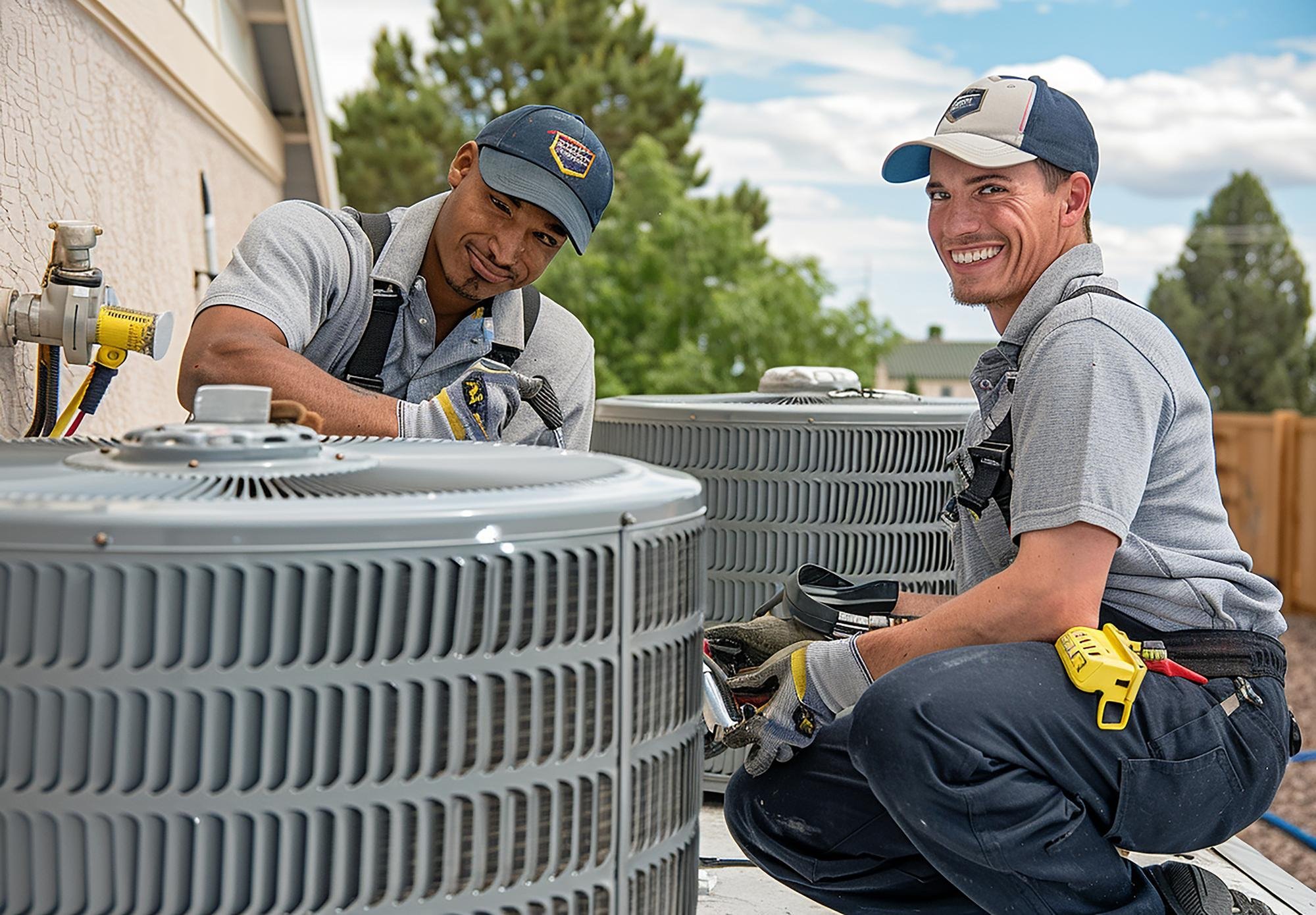
Recognize the local differences Tucson’s cooling season is long. Peak load calculations for our homes differ from those in milder climates. Many houses here have older ductwork, clay tile roofs that soak heat, and a higher incidence of evap cooling systems. When vetting HVAC contractor Tucson AZ options, prioritize those who understand local building practices, seasonal humidity swings, and the electrical demands of evaporative coolers and modern high-efficiency AC units. Local experience matters because it changes how contractors size equipment, recommend insulation upgrades, and schedule maintenance.
Red flags to notice early There are contractors who sound good on the phone but deliver poor work. Beware of quotations that are significantly lower than other bids without clear explanation. Vague promises like "we'll make it work" or "we're the cheapest" often hide shortcuts. Contractors unwilling to put an itemized estimate in writing, or reluctant to show proof of license and insurance, should be set aside. Also be cautious of pressure tactics that demand you sign immediately for a "special" installed price.
What you should ask before hiring A short, focused conversation can eliminate most poor fits. Here are five questions to ask when you first contact an HVAC contractor. Keep notes, compare answers across companies, and use them to judge transparency and competence.
Are you licensed and insured in Pima County, and can I see proof? Will you provide an itemized written estimate that lists equipment model numbers, SEER or HSPF ratings, labor, permits, and expected timeline? Do you perform a load calculation for sizing equipment, and can you show me the report? What warranties do you offer on parts and labor, and how are warranty claims handled? Can you provide local references or recent jobs in my neighborhood and a copy of completed permit records if applicable?When a contractor answers these cleanly and without hesitation, you’re dealing with someone who expects to be accountable.
How to evaluate estimates like a pro Two bids for "new AC" that differ by a few hundred dollars can be similar quality. When bids diverge by thousands, dig into why. The first thing to check is the equipment specifics: brand, model, seasonal efficiency rating (SEER), and whether the condenser and air handler are matched. Look for whether a bid includes new thermostats, line sets, refrigerant, and whether ductwork modification is included. Ask whether the quoted SEER is the actual installed efficiency or just a label figure.
Pay attention to labor practices. A low bid that reduces labor costs by skimping on time, crew size, or necessary inspections will often show up later as callbacks. Good contractors factor in permitting, testing, and cleanup. They’ll also describe commissioning steps, like verifying refrigerant charge and measuring airflow in cubic feet per minute. Those are not optional if you want performance.
Trade-offs to weigh when choosing equipment Higher SEER numbers lower operating costs but increase upfront price. A 16 SEER system versus a 14 SEER system might yield energy savings that take several years to recoup, depending on your usage and electric rates. If your home has poor insulation or leaky ducts, a higher SEER may deliver fewer benefits than air sealing and duct repairs. Older homes with small electrical service panels may need a panel upgrade to accommodate more efficient compressors, which raises total cost. A balanced choice considers efficiency, long-term savings, and any necessary home upgrades.
Evaluating service and repair capability If your priority is reliable HVAC repair or AC repair, look beyond marketing. Local HVAC experts Tucson AZ who handle both service and installations are often better equipped to diagnose recurring problems because they have access to replacement parts and a breadth of field experience. You want technicians who arrive with diagnostic tools: micron gauges, digital manifolds, combustion analyzers where appropriate, and airflow capture devices. Ask whether the company offers emergency service, how quickly they respond in July heat, and whether they use diagnostic procedures rather than trial-and-error parts swapping.
A brief anecdote: I once took over a recurring refrigerant leak case where three prior companies had topped off the system and left. The homeowner paid for refrigerant three times in a year until we found a disconnected condenser line and a cracked evaporator coil. Proper diagnostics and a willingness to open the system solved it once, and the monthly bills and callbacks stopped. That outcome required a service technician who would trace the leak, not just add refrigerant.
Reviews, references, and verifying reputation Online reviews are useful, but you should interpret them with context. Look for recent reviews that mention specific technicians, timeliness, cleanup, and whether the system performed afterward. Check the Arizona Registrar of Contractors to verify licensure and search for complaints. When possible, ask for references and drive by a recent https://callplunkett.com/ install to see workmanship on visible components like condensers, electrical connections, and wall-mounted condensers. Local community groups, neighbor recommendations, and people who have had both installation and service with the same company provide the clearest picture of reliability.
Negotiating price without losing quality Start by asking for a breakdown. Then, if price is the sticking point, ask which components or services could be adjusted. Sometimes a different thermostat model, a single-stage vs two-stage compressor, or excluding ductwork modifications can lower price. Beware of removing items that are critical to system performance, like proper refrigerant line insulation or a matched indoor coil. A good contractor will suggest alternatives and explain the trade-offs. For example, switching to a slightly lower-SEER unit might save $800 but could add $150 to average annual operating cost. Those numbers will vary, but a responsible contractor gives context.
Maintenance and long-term relationship Preventive maintenance matters here more than in cooler climates. Seasonal filter changes, coil cleaning, and ensuring proper refrigerant charge keep systems running at efficiency and reduce the risk of mid-summer failures. Ask whether a contractor offers service agreements for routine tune-ups, priority scheduling, and discounts on parts. A service agreement with two visits per year that includes refrigerant inspection, airflow checks, and electrical tightening can extend equipment life and is usually more economical than emergency repairs.
When a warranty matters more than price Some equipment warranties require certified installation by licensed contractors. If you want a full manufacturer warranty, confirm that the contractor will register the unit with the manufacturer and that the work meets warranty prerequisites. Also inspect labor warranty terms. A 10-year parts warranty is useful if the contractor is still in business. Otherwise, long equipment warranties with short labor warranties can leave you paying for installation fixes.
Comparing emergency response and scheduling Tucson summers create peaks for HVAC companies. Afterschool hours, holiday weekends, and the first heatwave of the season see spikes in service calls. Ask how the contractor prioritizes emergency calls, what their average response time is during summer months, and whether they offer after-hours fees. A contractor with a staffed dispatch and multiple crews will usually provide faster response than a one-person operation juggling day jobs.
Specific signs of quality workmanship on the job On installation day, look for these indicators of professional work. Crews that protect floors, leave a tidy disposal trail, torque electrical connections to code, and have calibrated charging scales and vacuum pumps are showing care. They will also run the system through warm-up and cool-down cycles and provide a written commissioning sheet showing measured airflow and refrigerant charge. Clean, labeled wiring and properly secured condensers are small details that matter when the system faces Tucson heat.
How Plunkett Home Services and other local names fit in You should include local companies in your vetting. Plunkett Home Services is one name among local HVAC companies that offers both emergency and maintenance options. Compare what each local HVAC company in Tucson AZ lists for response windows, technician certifications, and whether they handle both heating services near me and AC repair. Companies that advertise a full-service approach and show active involvement in the community often have a vested interest in reputation and follow-through.
Making the final decision After collecting bids and checking references, step back and weigh three things: competence, communication, and warranty. Competence means technical ability and tools. Communication covers responsiveness, clarity of the estimate, and willingness to explain trade-offs. Warranty is about coverage for parts and labor and the contractor’s longevity. If one company scores well across all three, the slightly higher price is usually worth it.
A short checklist to bring on job day
Written estimate with model numbers and SEER ratings. Proof of license and insurance. Permit confirmation or plans to pull permits. Timeline and job start date in writing. Warranty details for parts and labor.Final notes on negotiating peace of mind Buying HVAC service or a new system in Tucson is more than a transaction, it is risk management. It pays to be specific, ask for proof, and choose contractors who document their work. Prices are important, but so are experience and long-term stewardship. A well-installed system reduces stress during our hottest months and lowers bills for years. Take the time to vet a few local HVAC contractor Tucson AZ options, ask the right questions, and favor those who can show you measured results and a history of customers who stayed comfortable all summer.

Plunkett Home Services
3144 E Fort Lowell Rd, Tucson, AZ 85716
+1 (520) 808-2743
[email protected]
https://callplunkett.com/